IIS Fermo Corni, Modena
Where it started
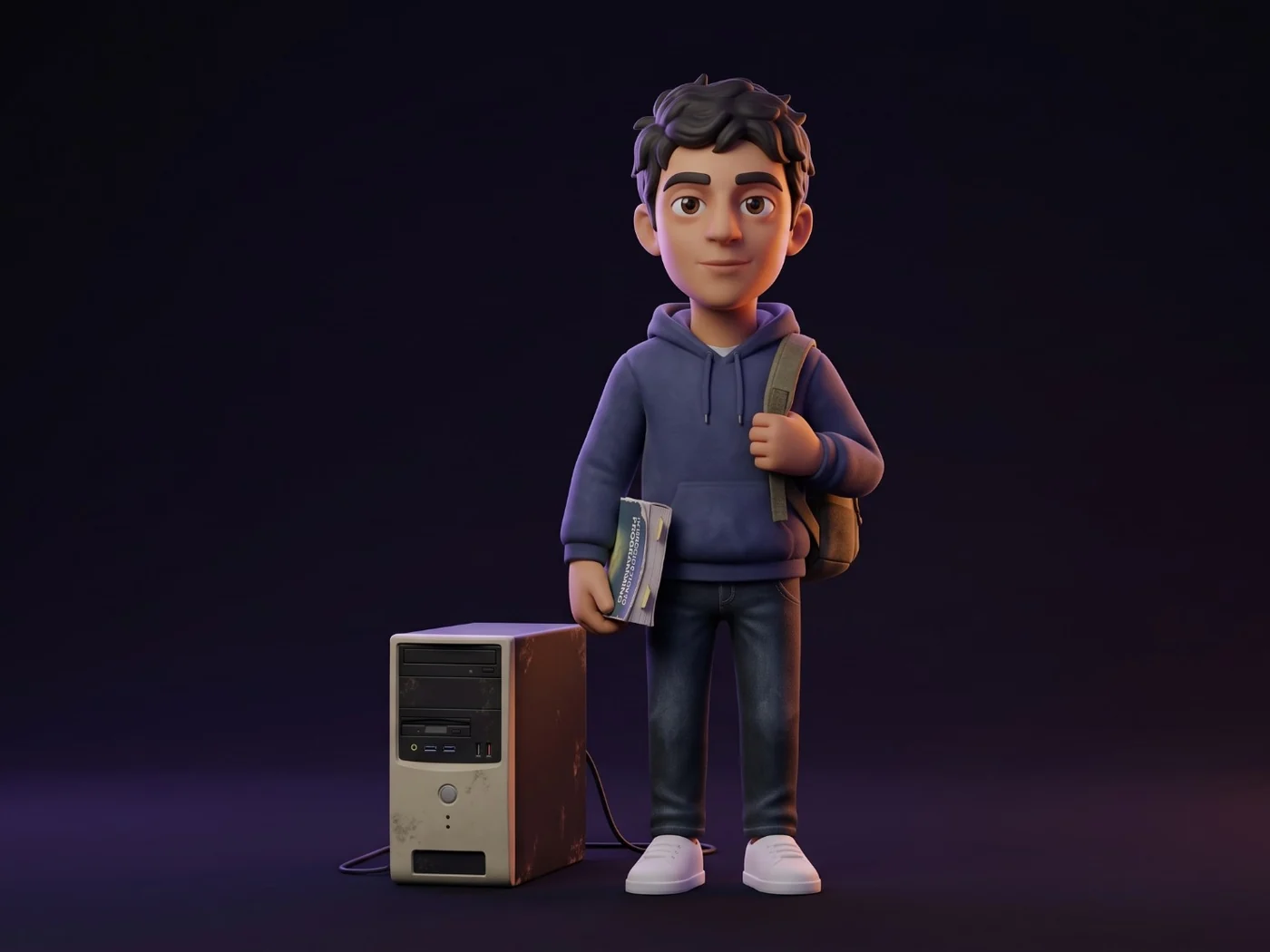
High school on the computer science track at IIS Fermo Corni. An old PC, the first programs and a lot of curiosity: university was the obvious next step.

Product builder, code and design
I build digital products from idea to release: mobile apps, backends and admin tools, designed as one system.

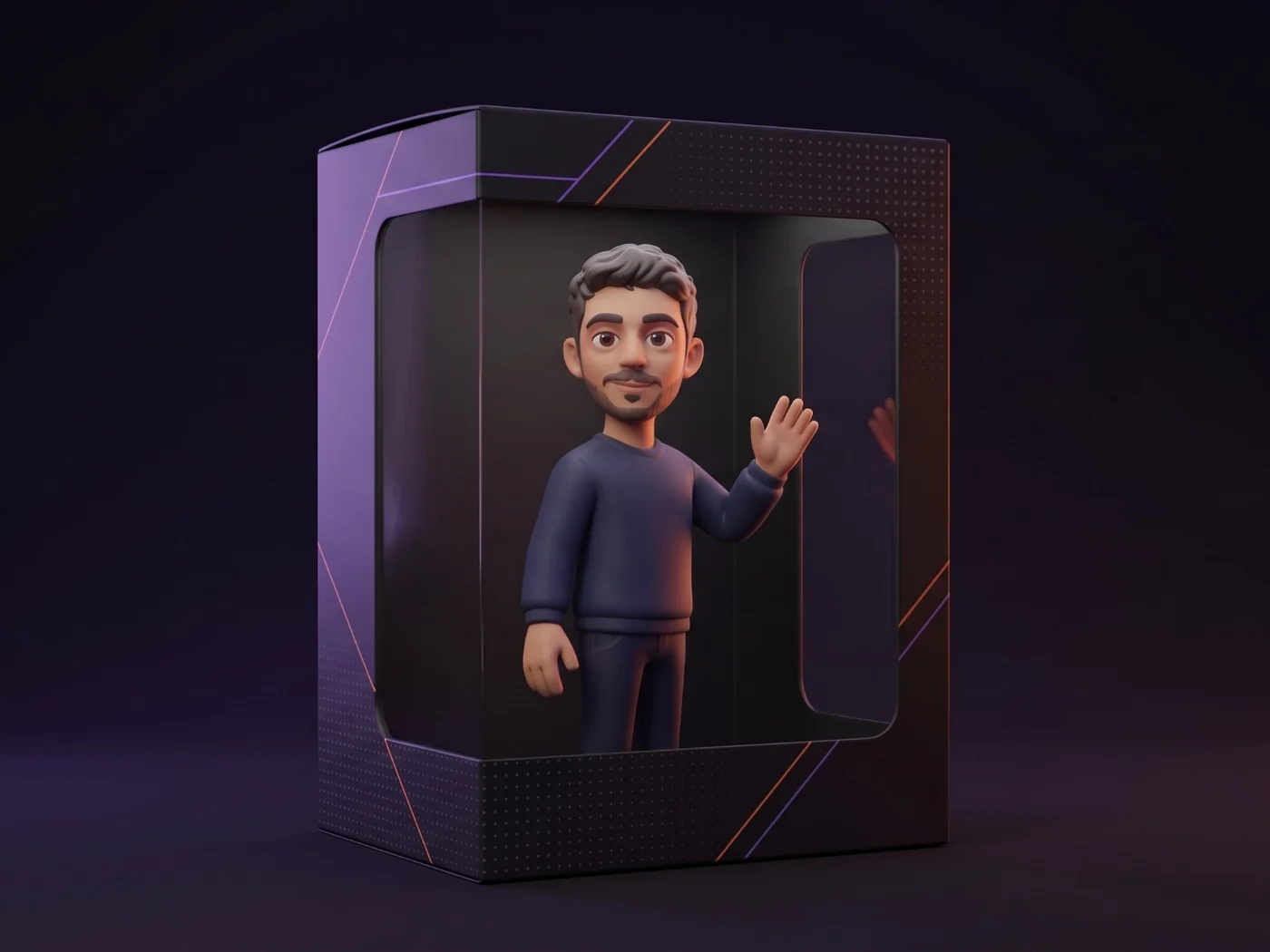
Hi, I'm Matteo.
Software engineer from Modena. I write code, but I think in products.
Let me rewind to where it started.
Keep scrolling, the story moves sideways.
IIS Fermo Corni, Modena
High school on the computer science track at IIS Fermo Corni. An old PC, the first programs and a lot of curiosity: university was the obvious next step.

2016-2020
University of Modena and Reggio Emilia. My thesis was a web app for neuroscience data that generated its own management front end.
2020-2022
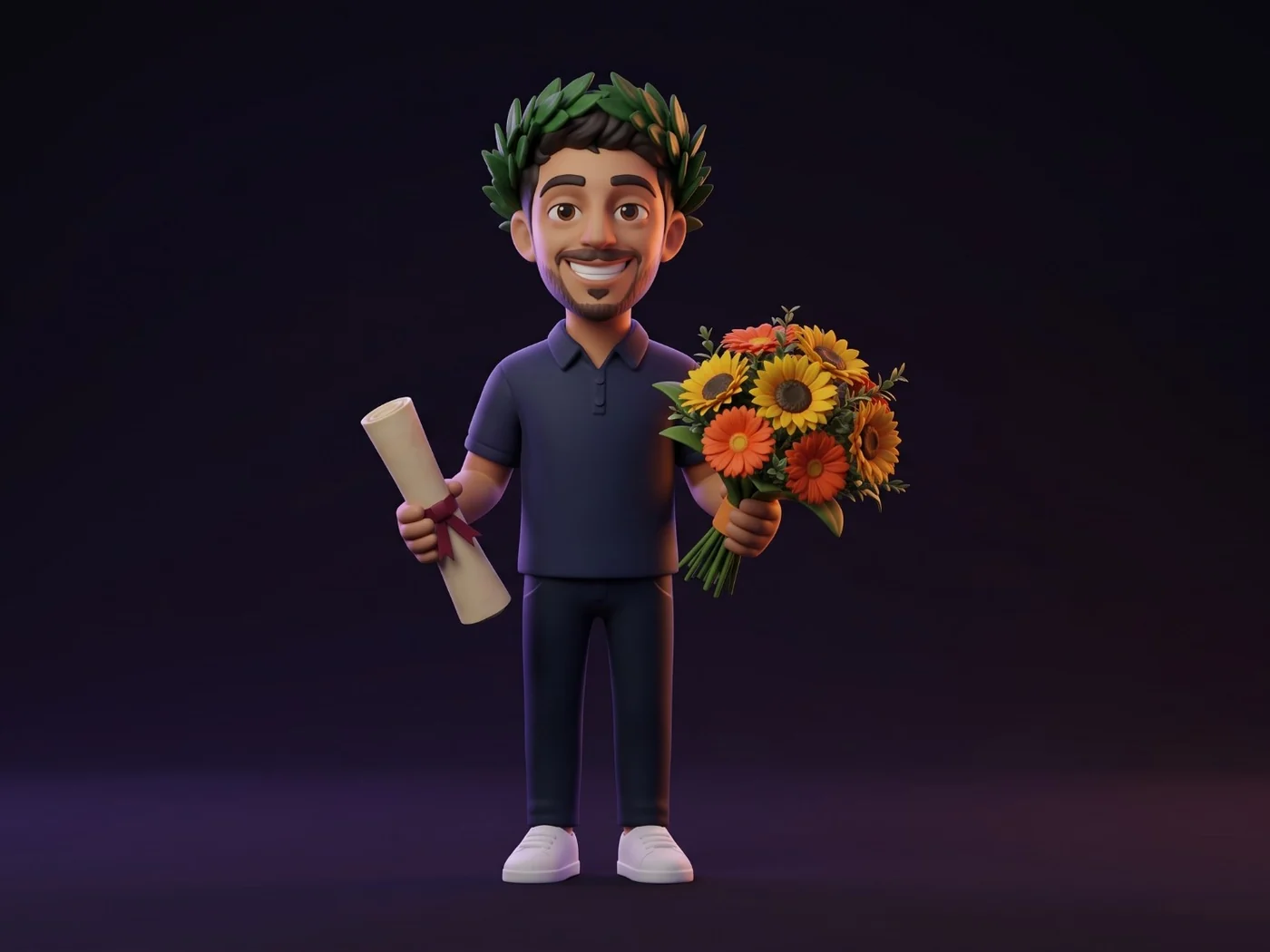
Computer Engineering, Data Engineering and Analytics. Thesis on text extraction for multilingual heritages, and the first graduation award in memory of Davide Rabotti.
2021-2023
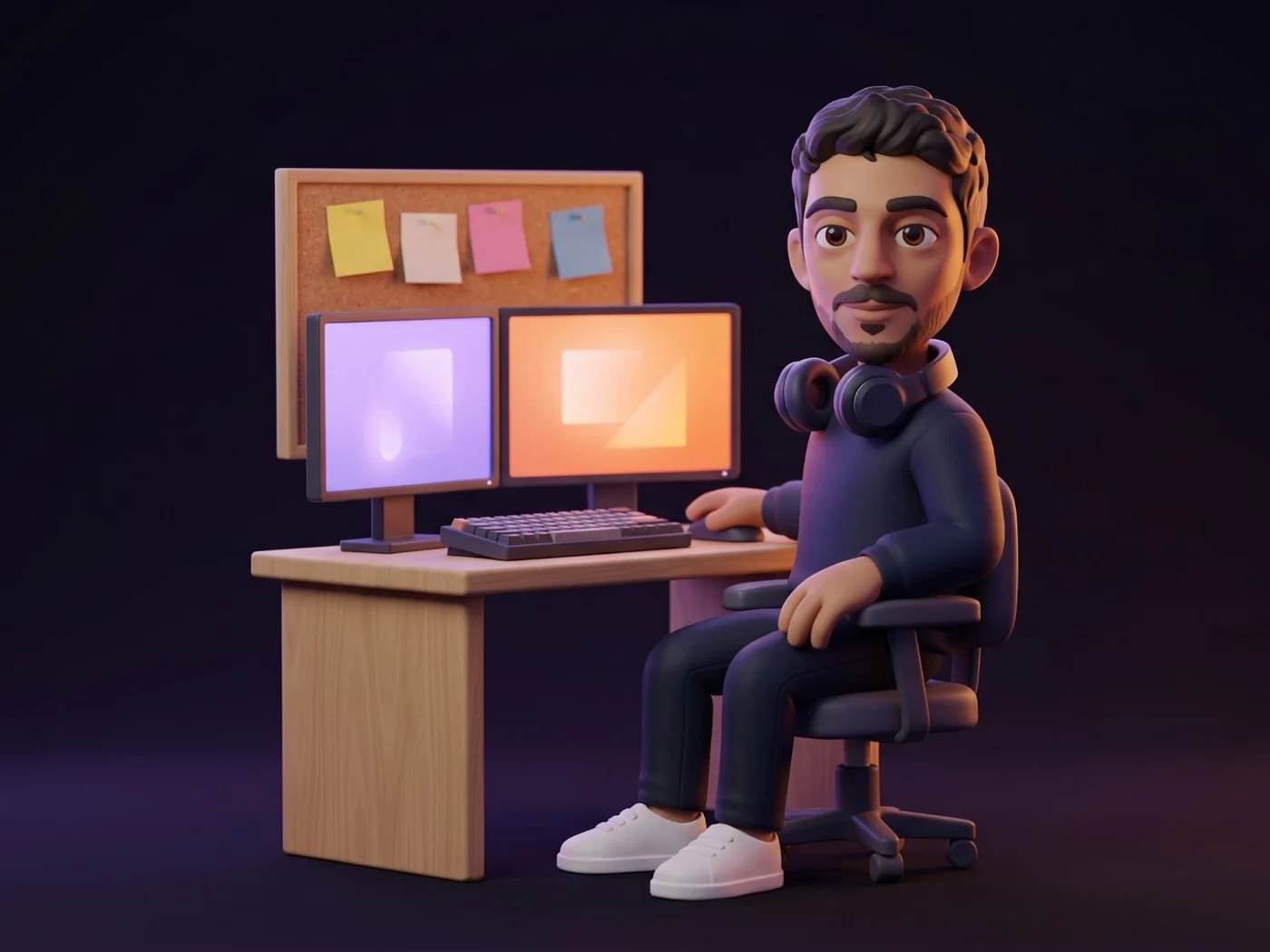
At FSCIRE on DigitalMaktaba: AI to catalogue multilingual and multi-alphabetic libraries. Three papers, then a year of PhD research before moving to industry.
2023-today
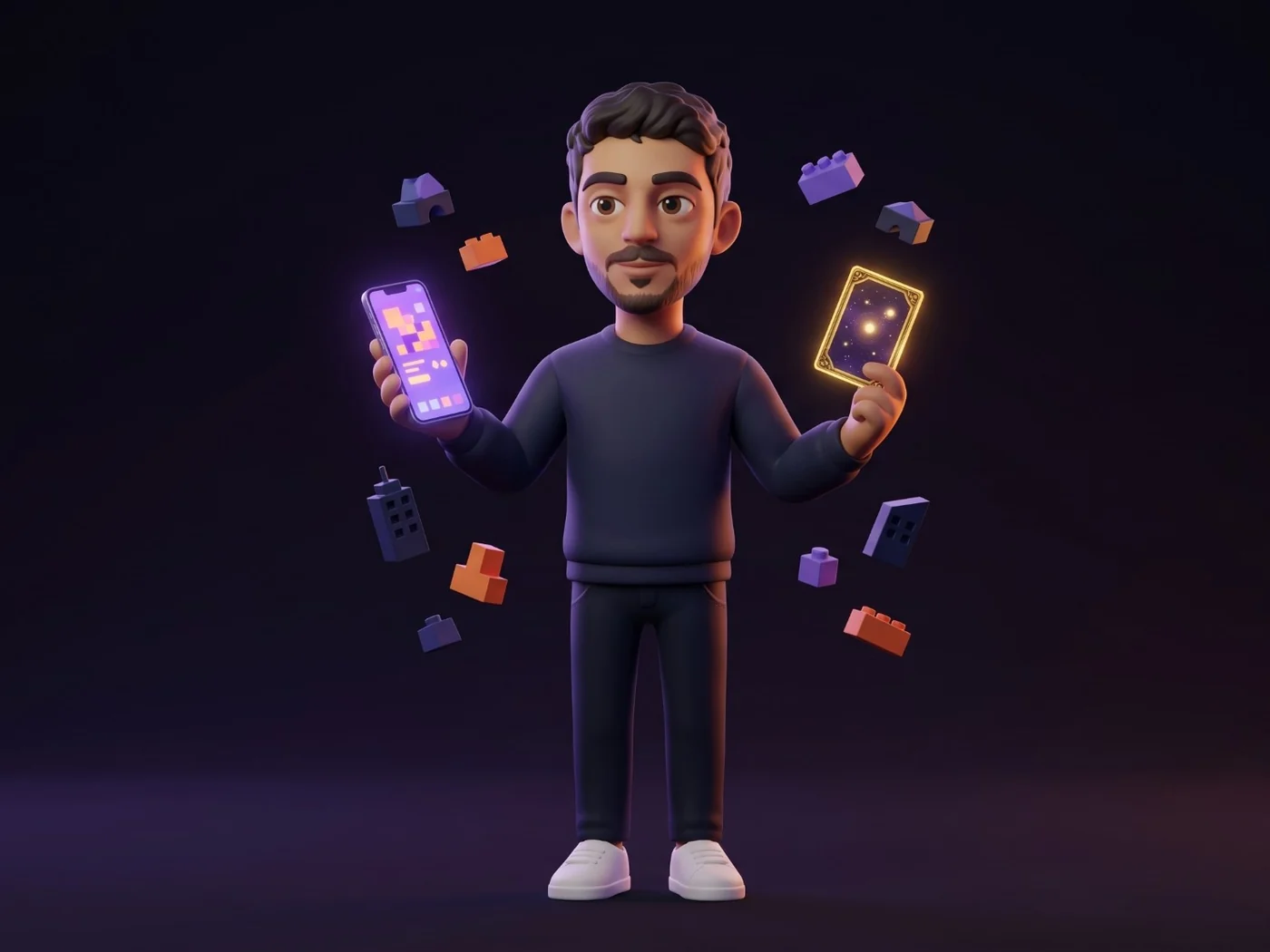
Software developer at OTConsulting, on enterprise apps across Java, C#, Python, SQL, Angular and Flutter. After graduating I also fell for design: my own products now start in Figma, long before the first line of code.
A collectible-card fantasy football game, built around a real five-a-side team.
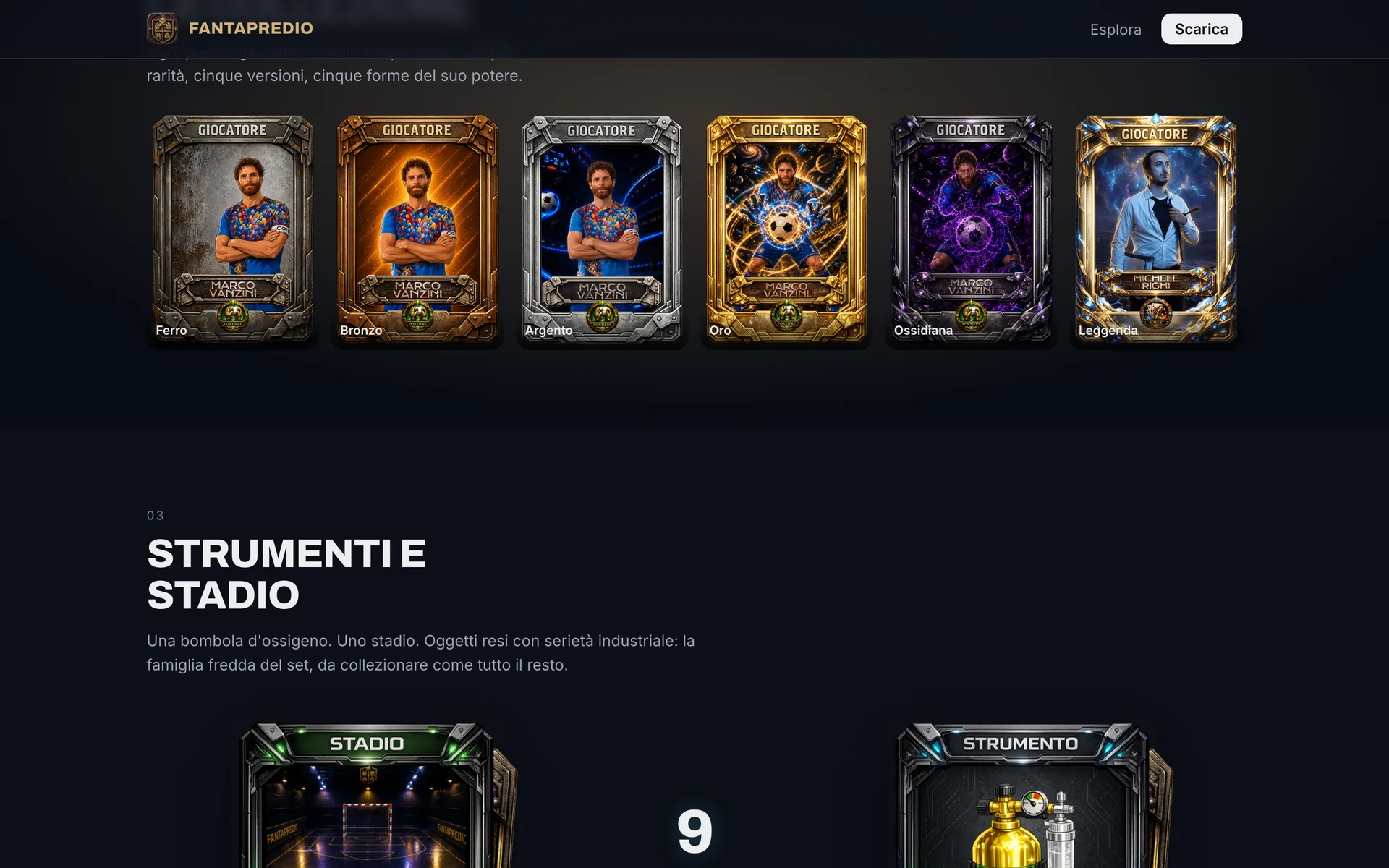
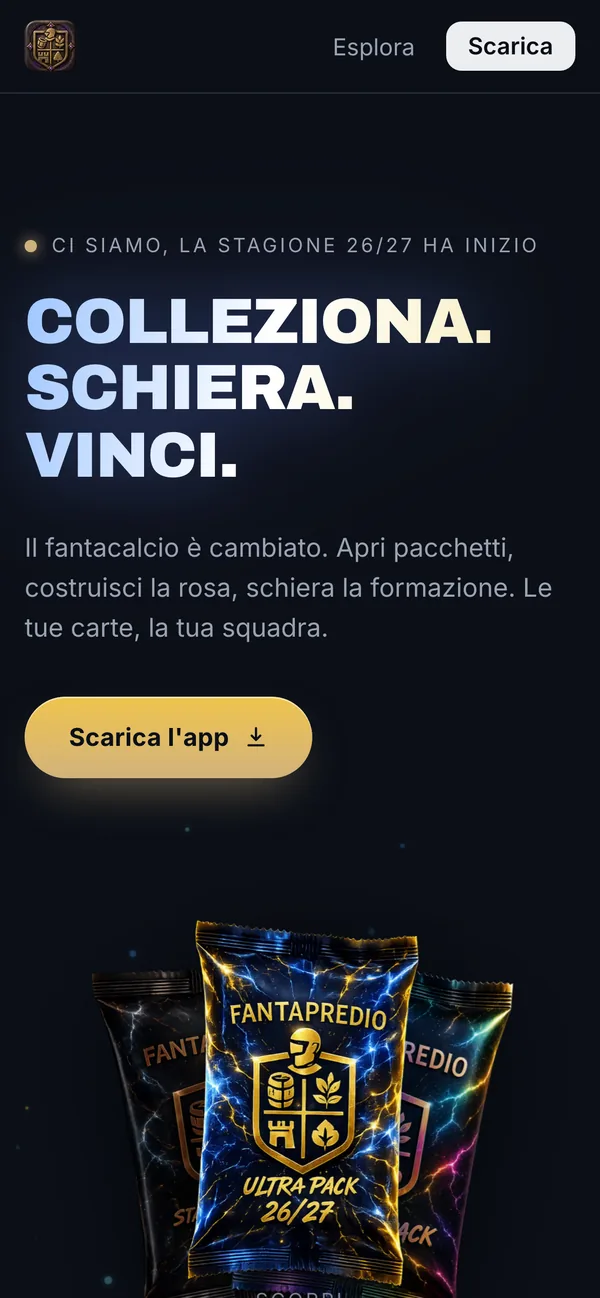
A project I'm building right now. You'll see it when it's live.
Templates
Complete products for real kinds of business, built end to end on purpose: a different sector each time, a different problem, sometimes a different stack. They show how I work, and they are a head start if you run one of these businesses.
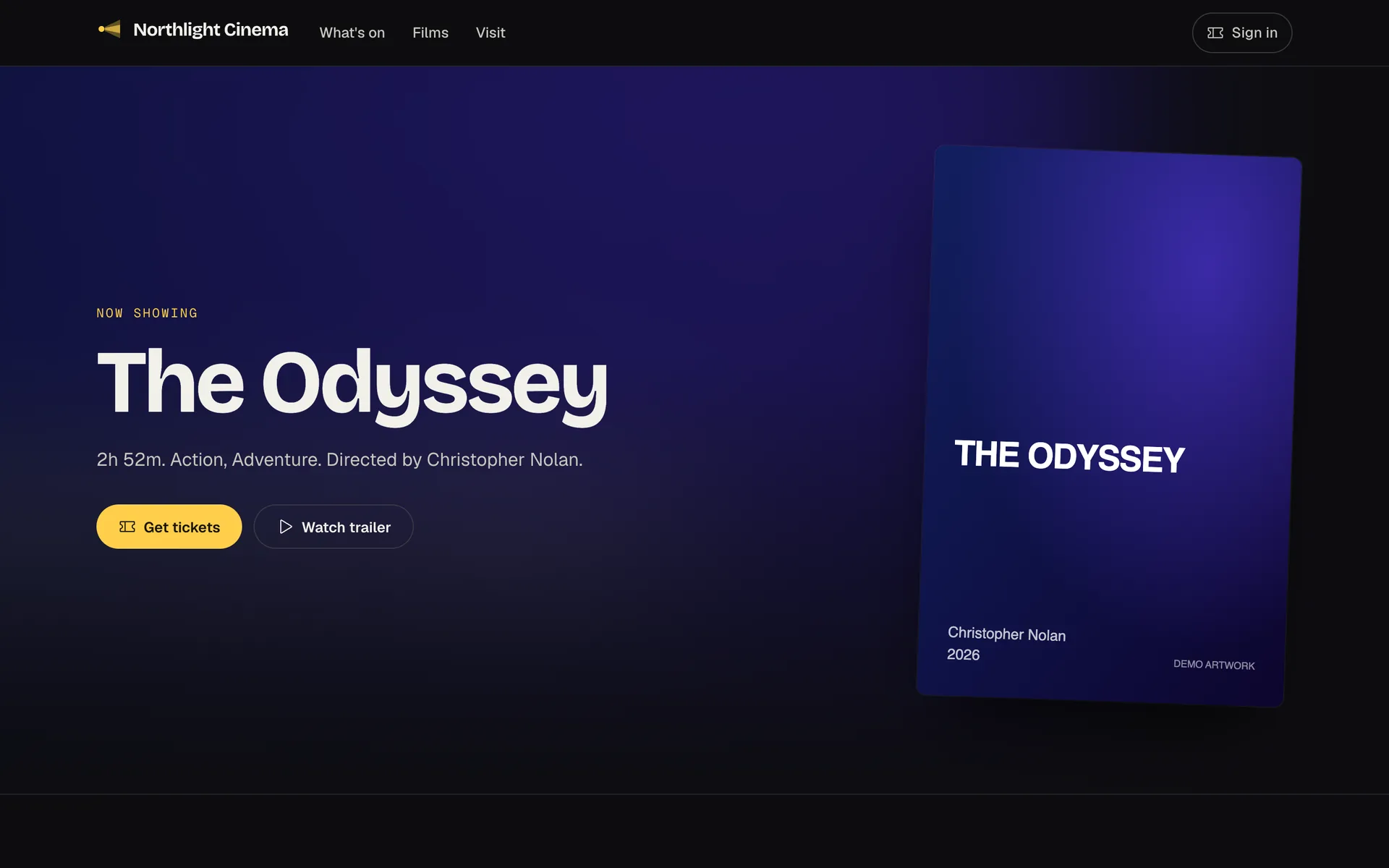
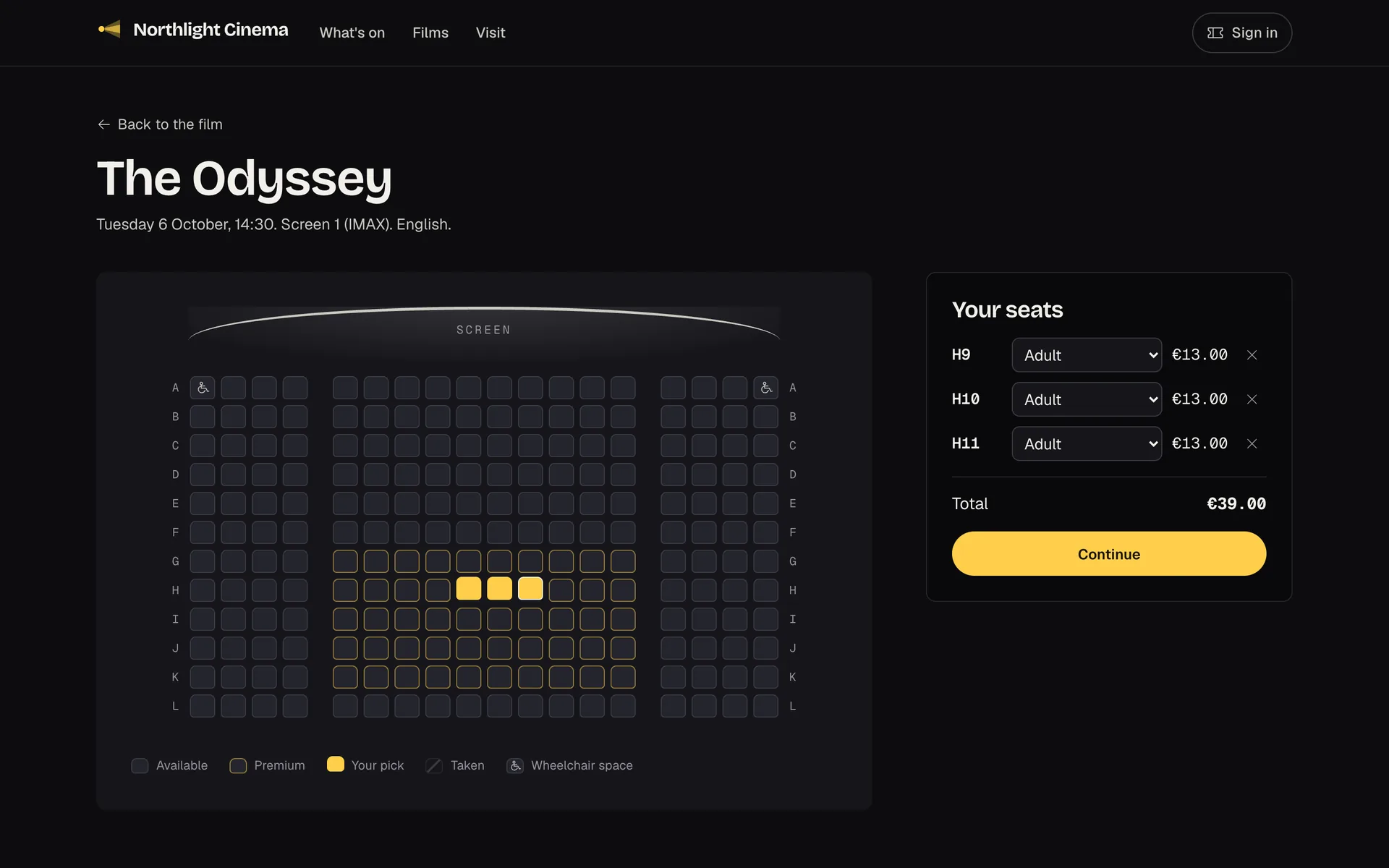
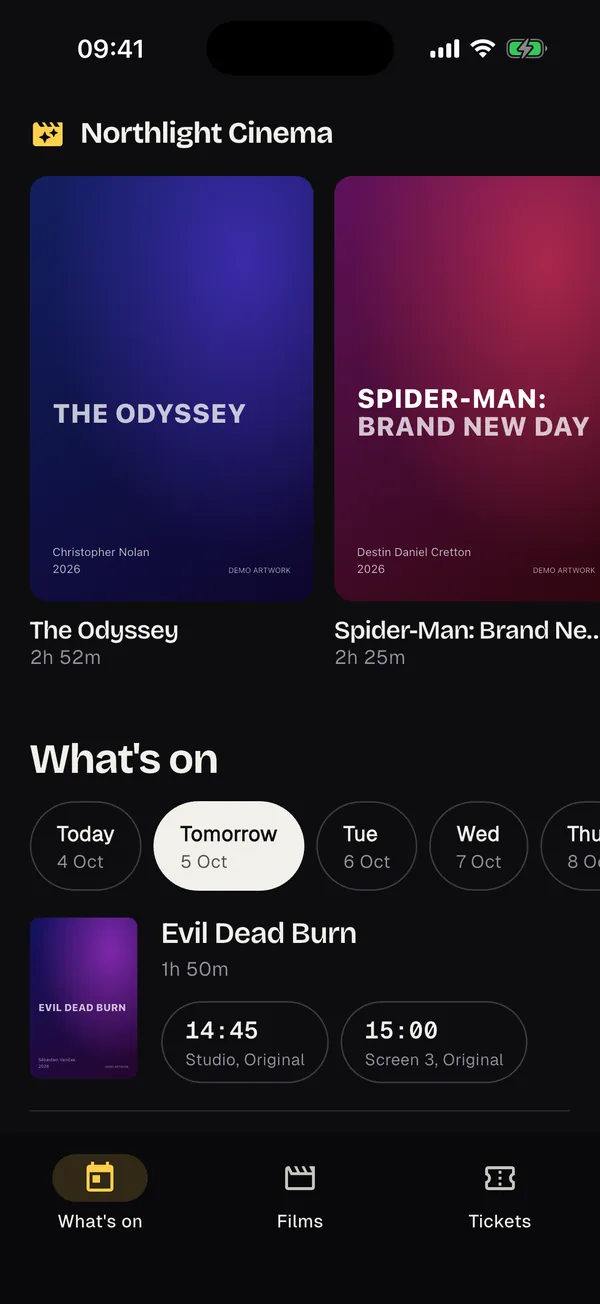
01 · Northlight CinemaDemo brand and data are fictional
Cinemas and small multiplexes
Programme, seat maps, payments and tickets, from the website to the door.
What it shows Seats are held for ten minutes and locked in the database, so two people can never buy the same one. Payments run on Stripe or on a built-in simulator, and QR tickets are checked in at the door.
What's inside
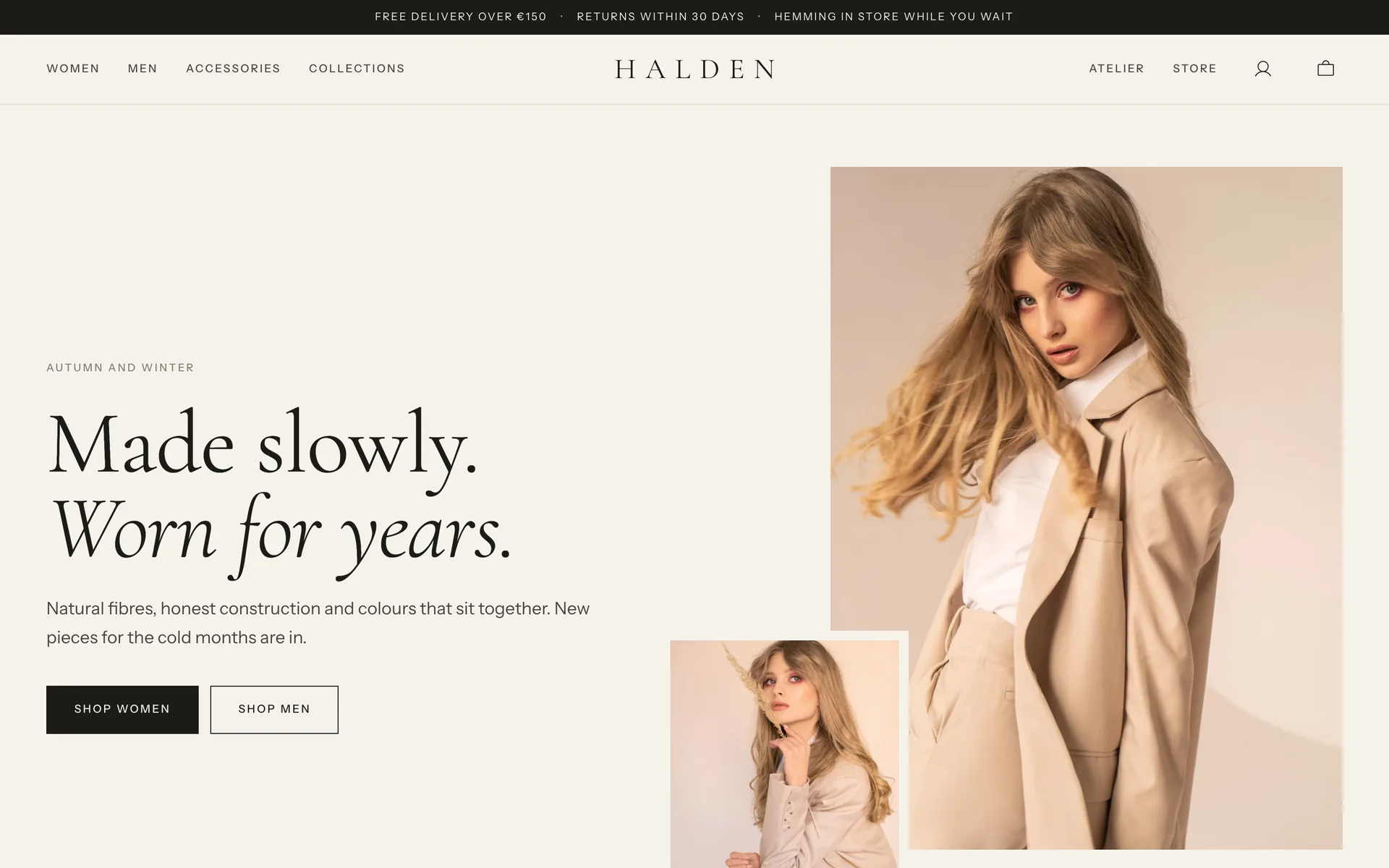
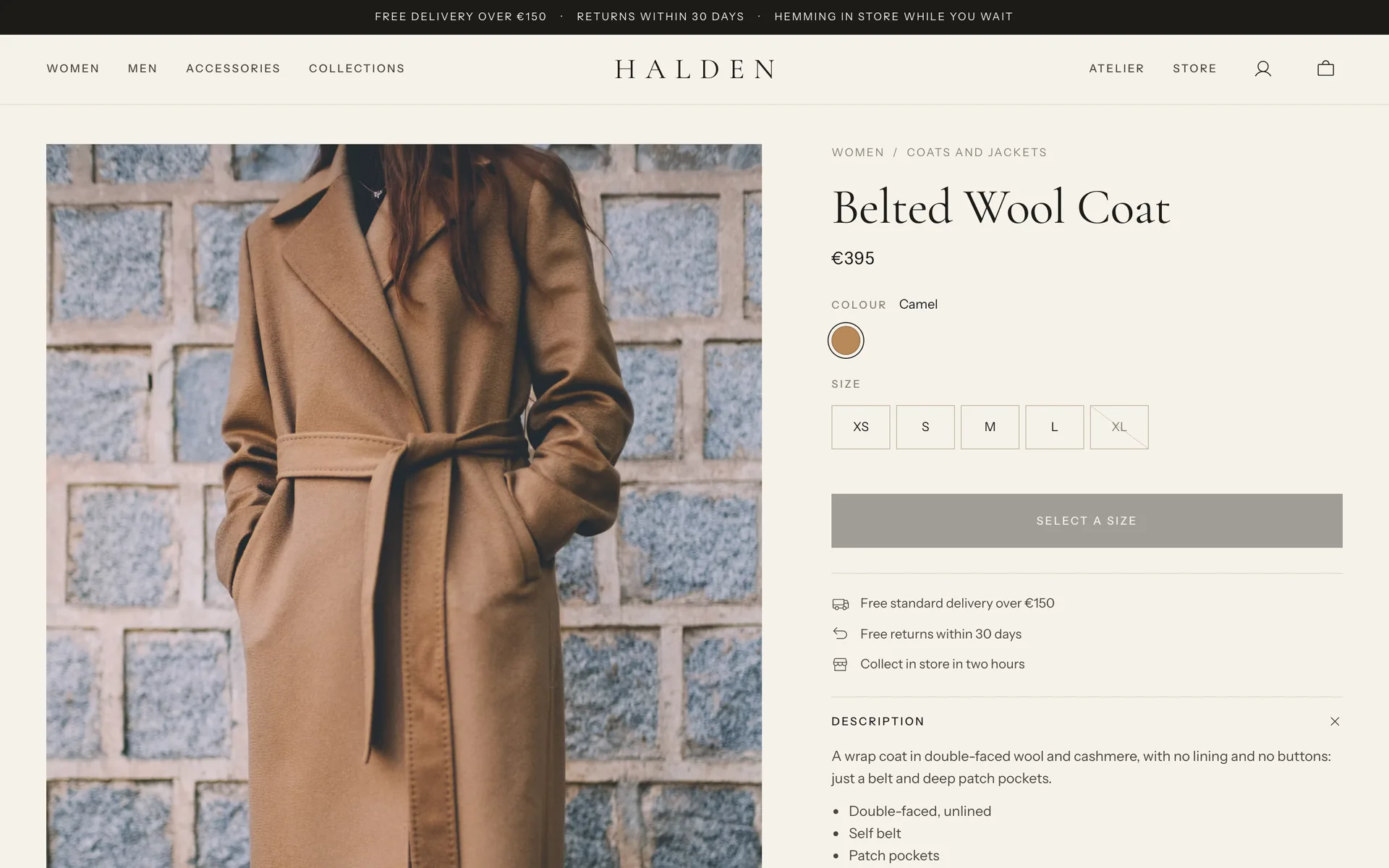
02 · HaldenDemo brand and data are fictional
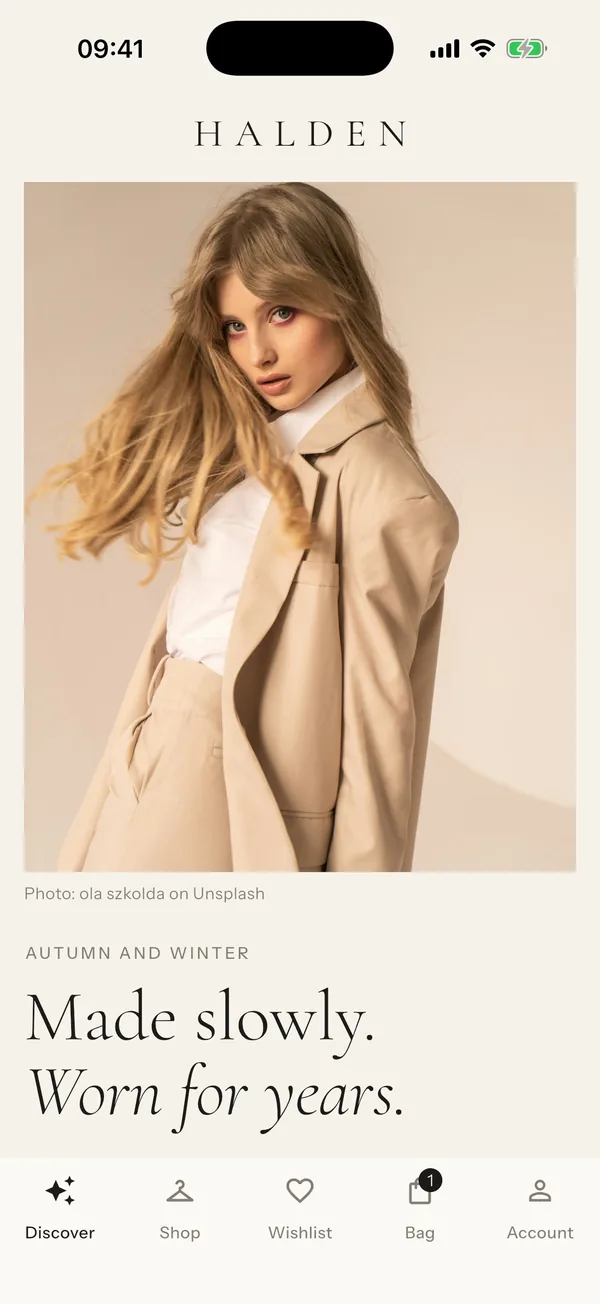
Clothing and accessories shops
An editorial shop with colours, sizes, stock, orders and returns.
What it shows Stock is set aside for fifteen minutes at checkout, so nothing is ever sold twice. Cancellations, shipping and 30-day returns with partial refunds, and a back office with sales, best sellers and low stock.
What's inside
03 · CofferDemo brand and data are fictional
Anyone who wants their money in one place, privately
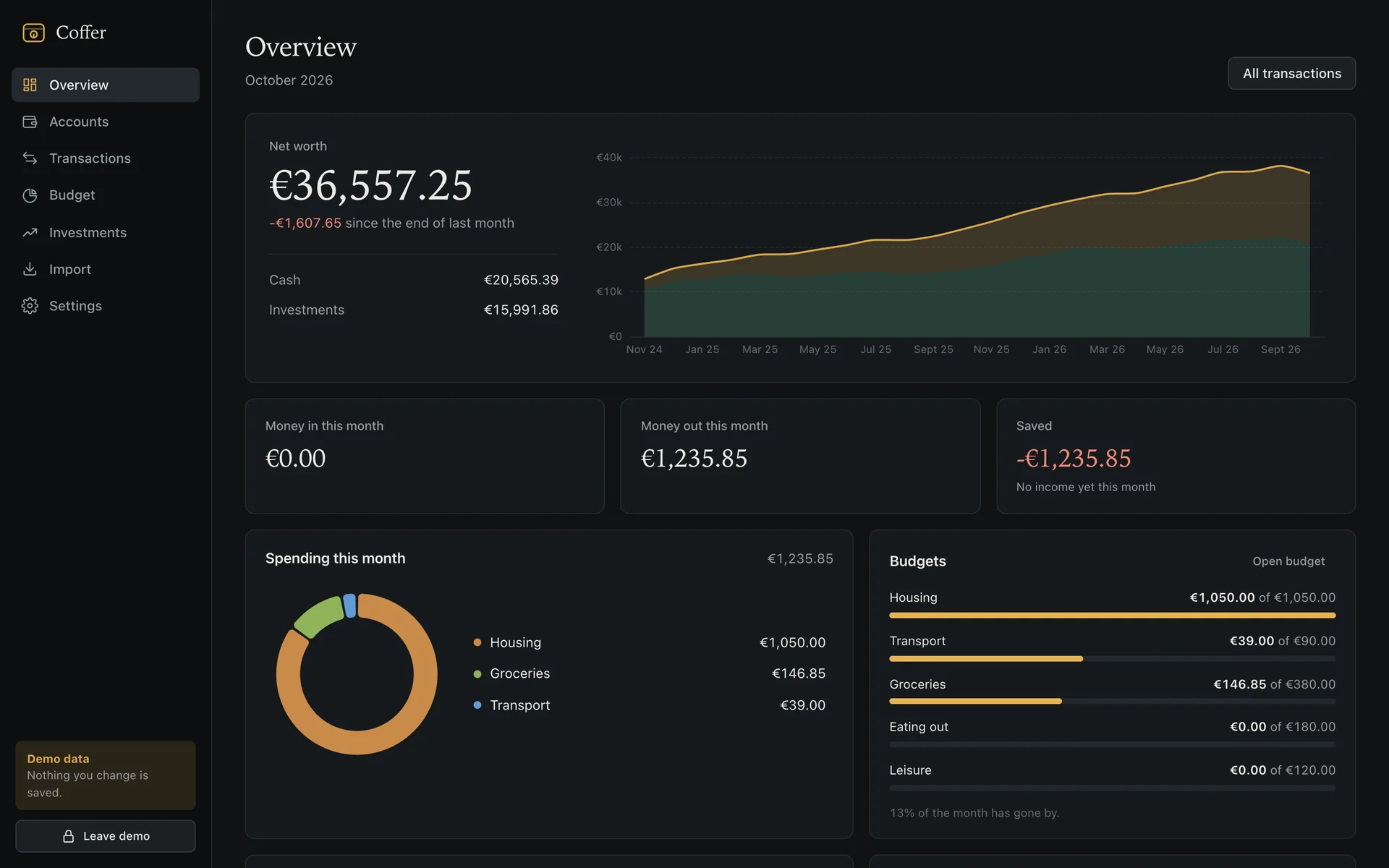
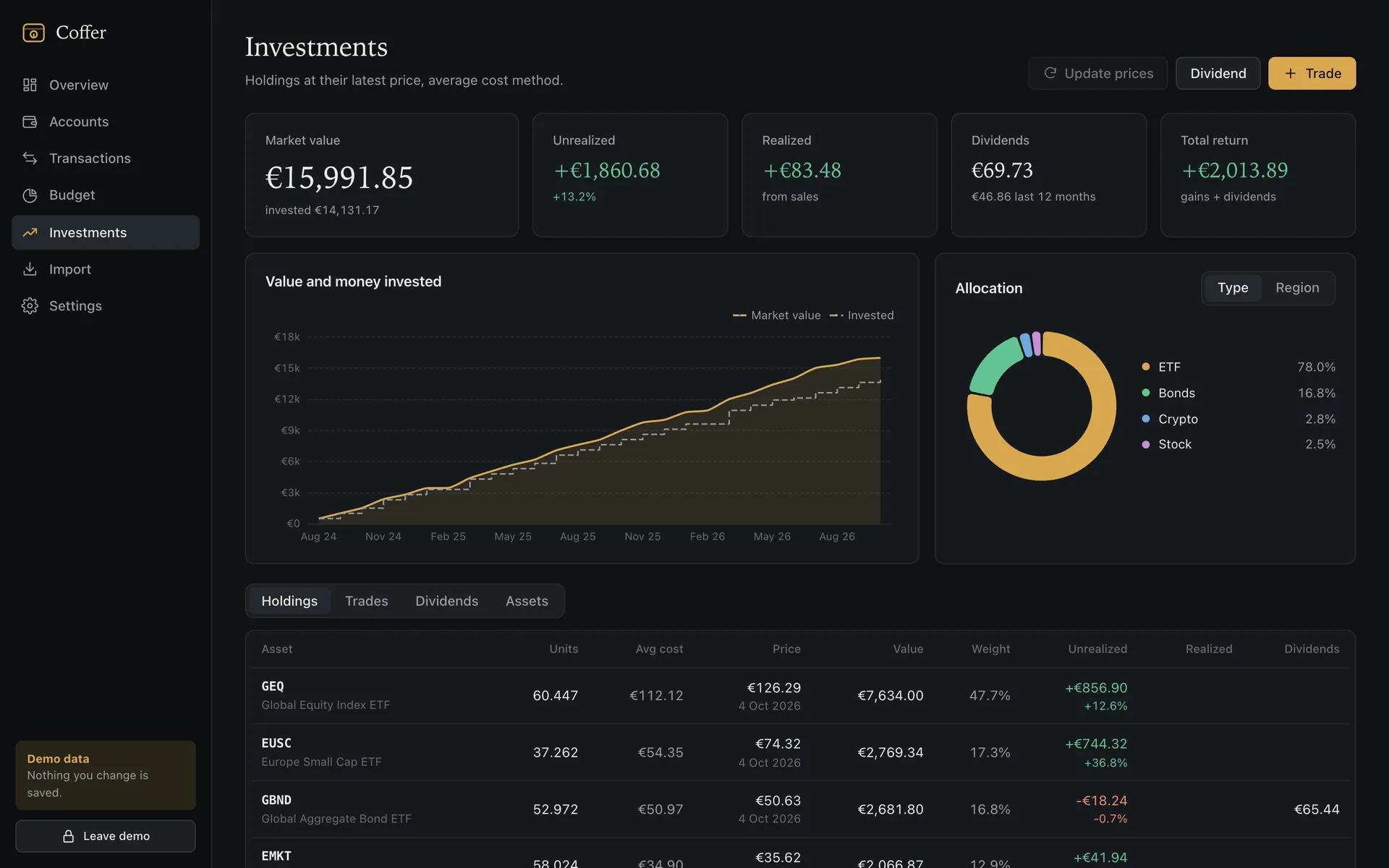
Accounts, budgets, net worth and investments, encrypted on your own computer.
What it shows No server and no account: one file encrypted with AES-256-GCM, a key derived with Argon2id, a recovery key and auto-lock. Budgets, net worth over time and a portfolio with average cost, dividends and allocation.
What's inside
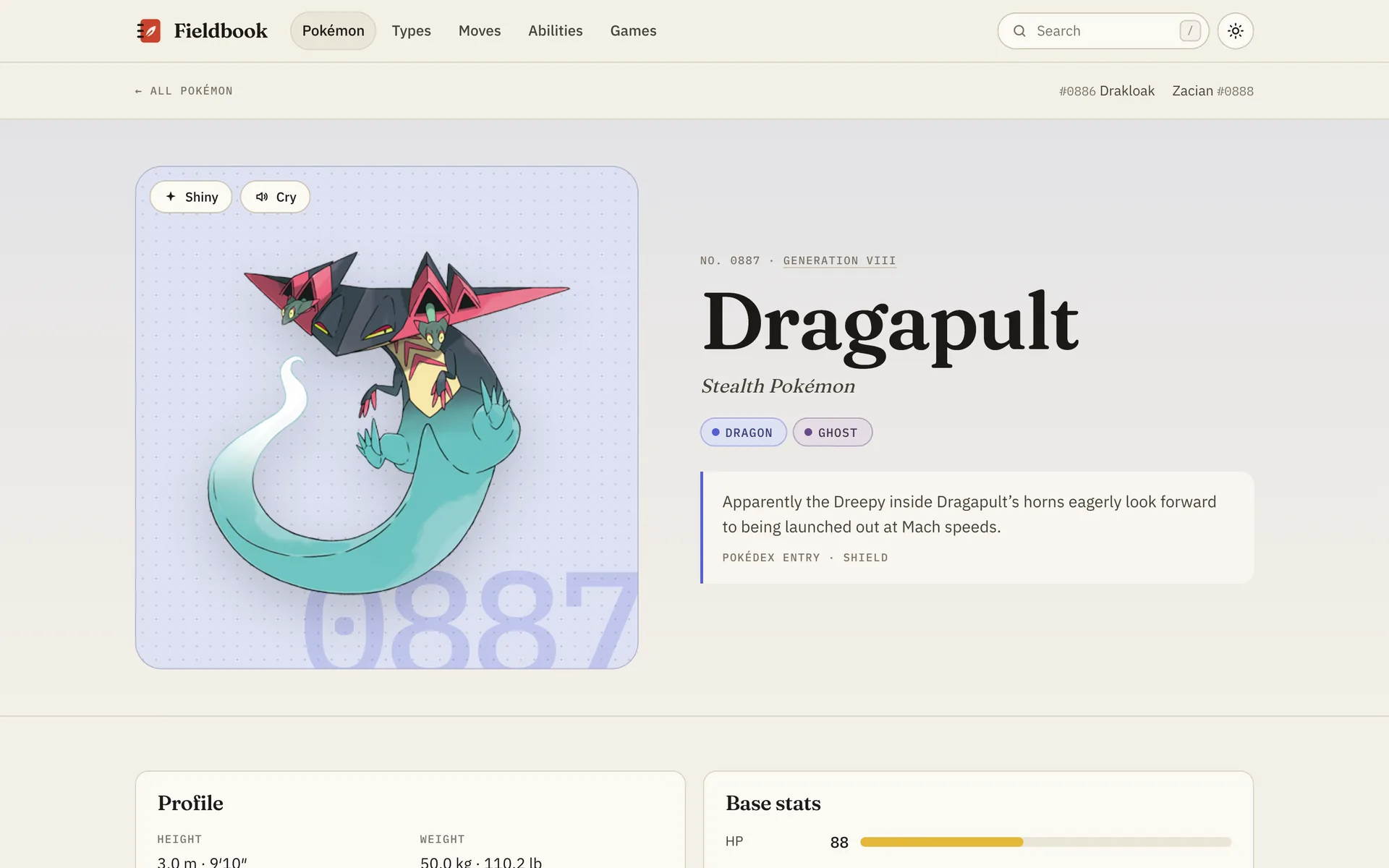
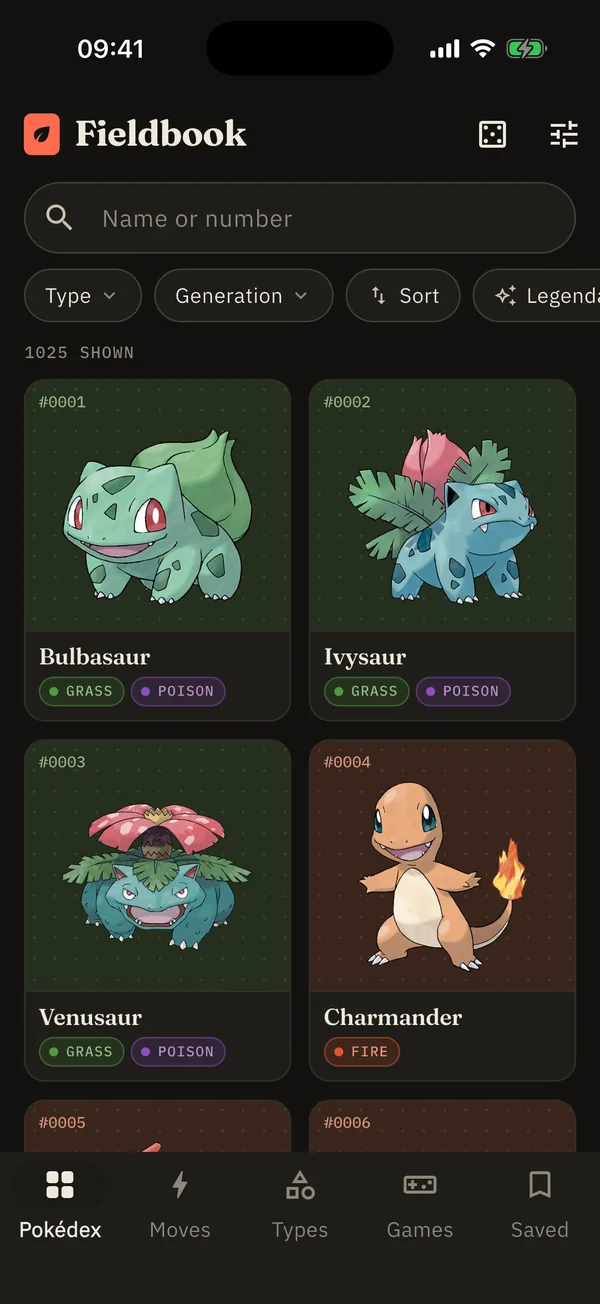
04 · FieldbookUnofficial, data from PokéAPI
Communities, fan sites and any large catalogue
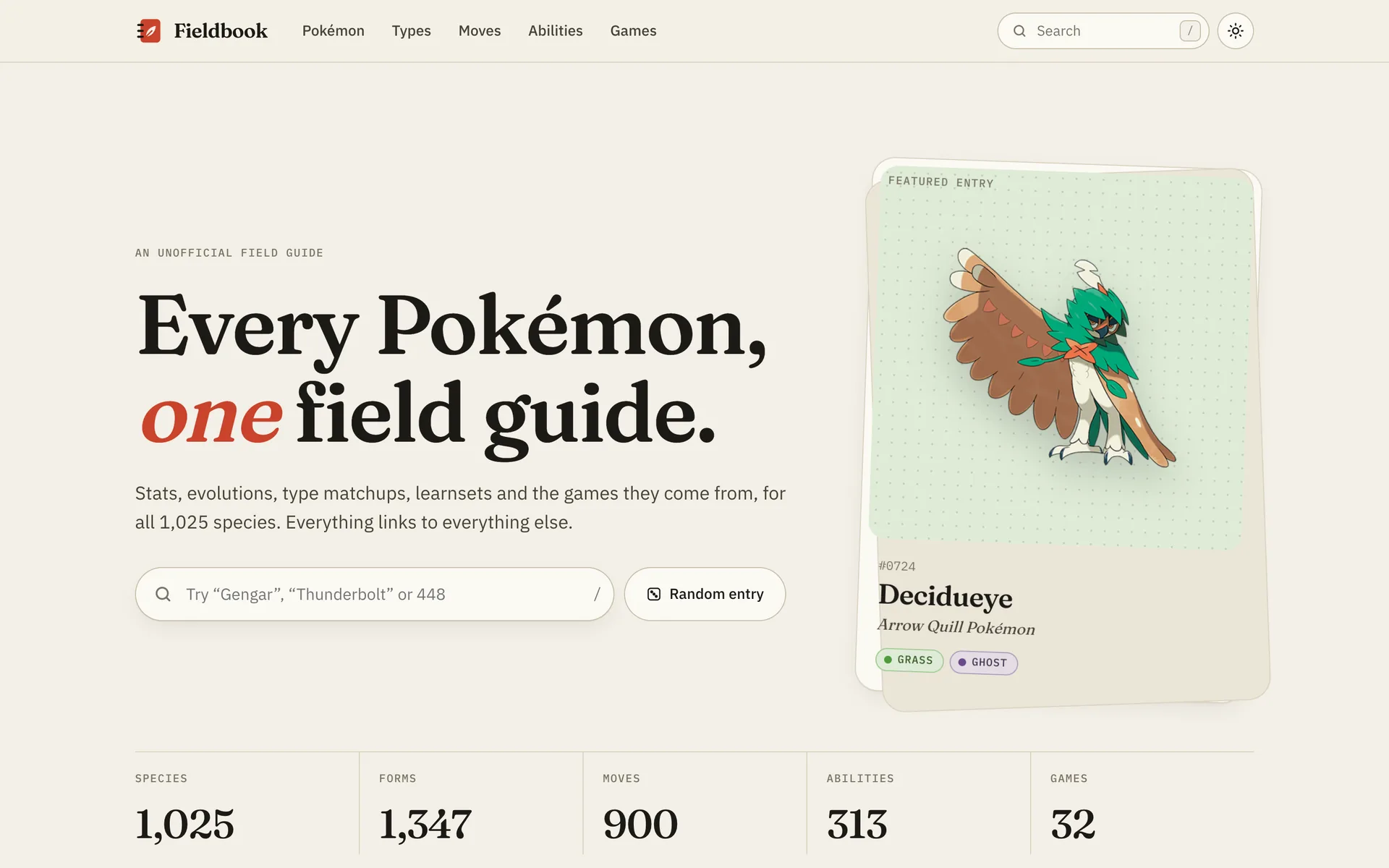
An unofficial field guide to every Pokémon, built on a large public API.
What it shows PokéAPI turned into a cross-linked reference: about 1,000 species with their forms, 900 moves, 300 abilities, 18 types and 30 games. No backend: the website reads the API once at build time and becomes 2,000 static pages, the app keeps what it reads on the device.
What's inside
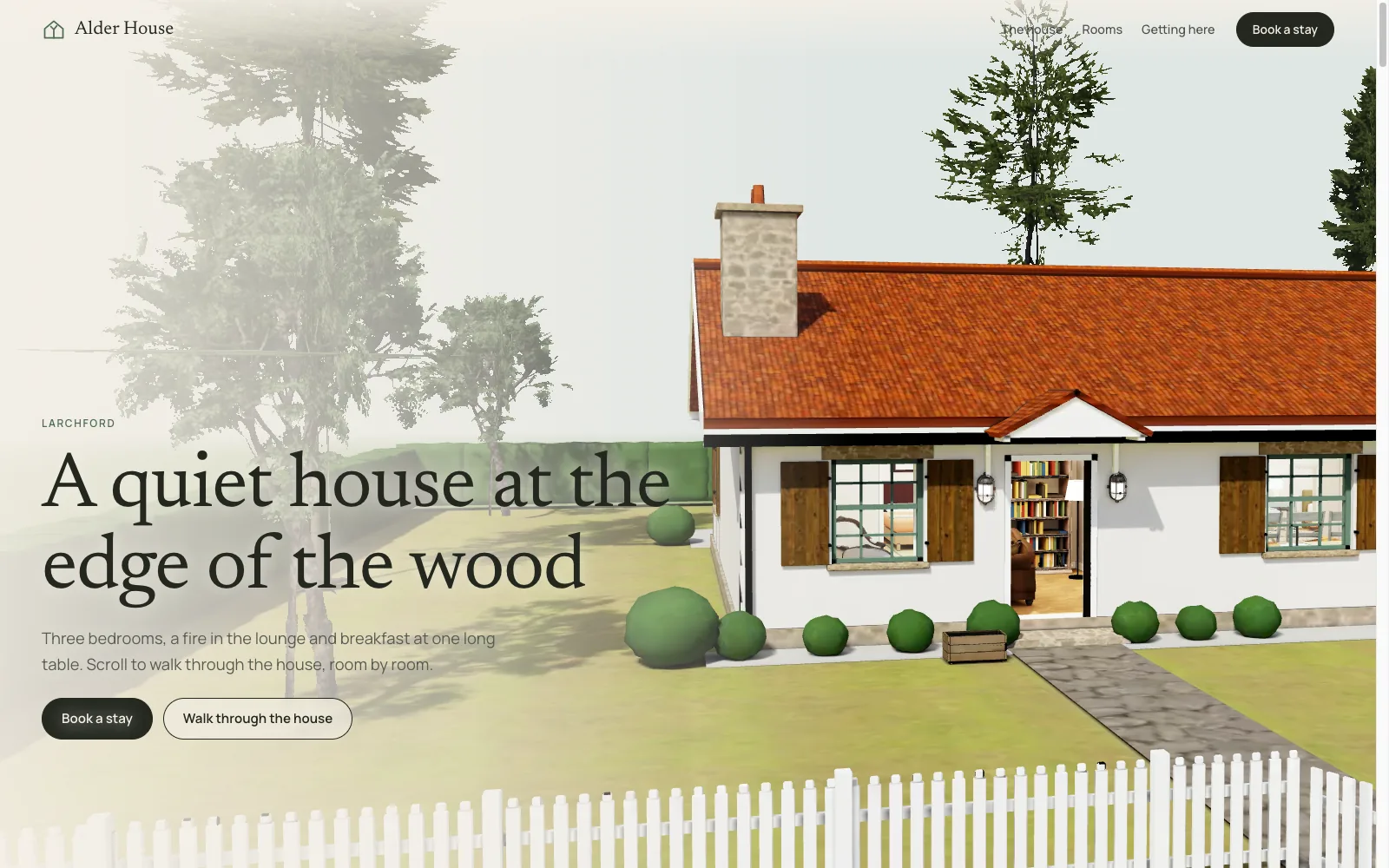
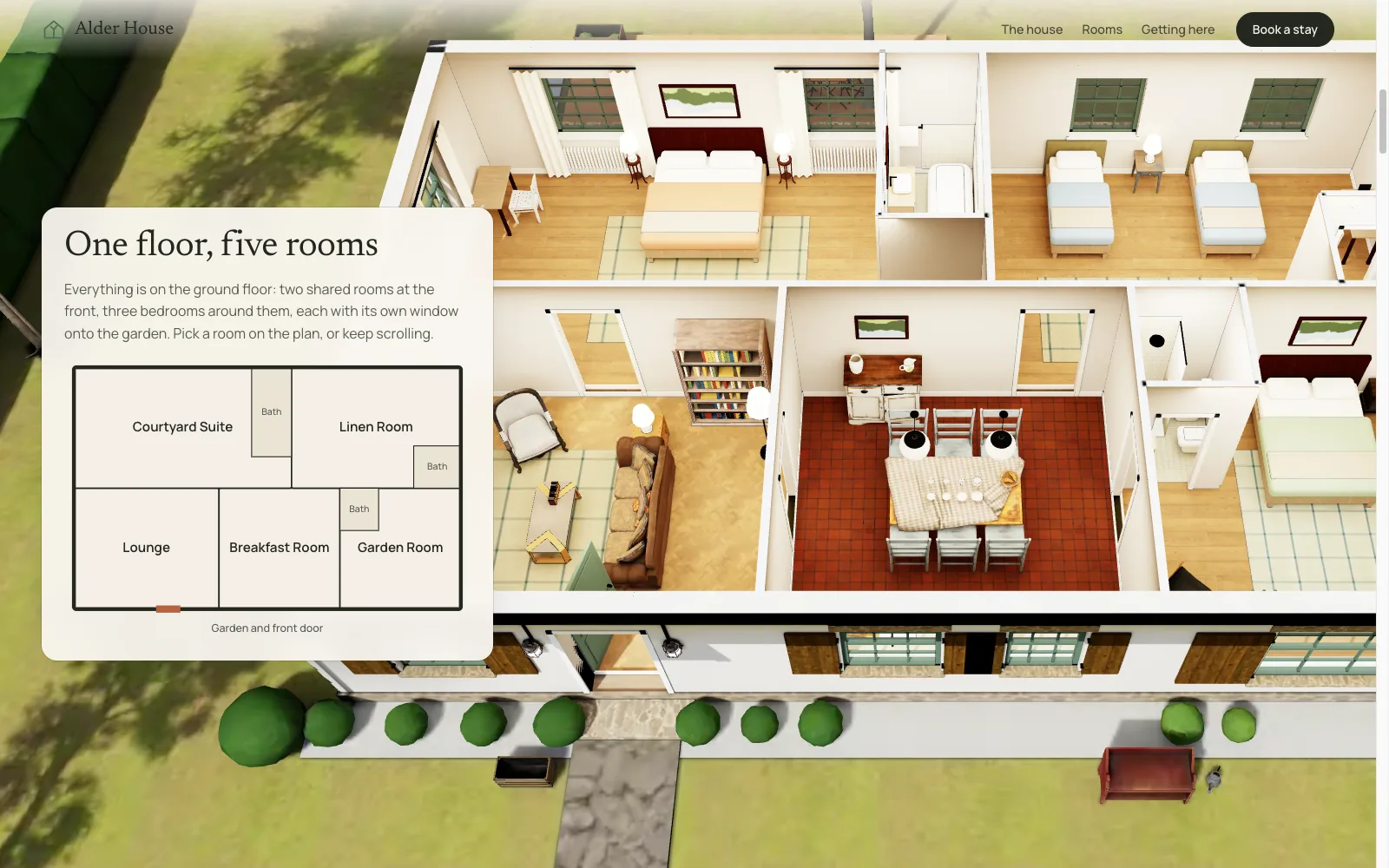
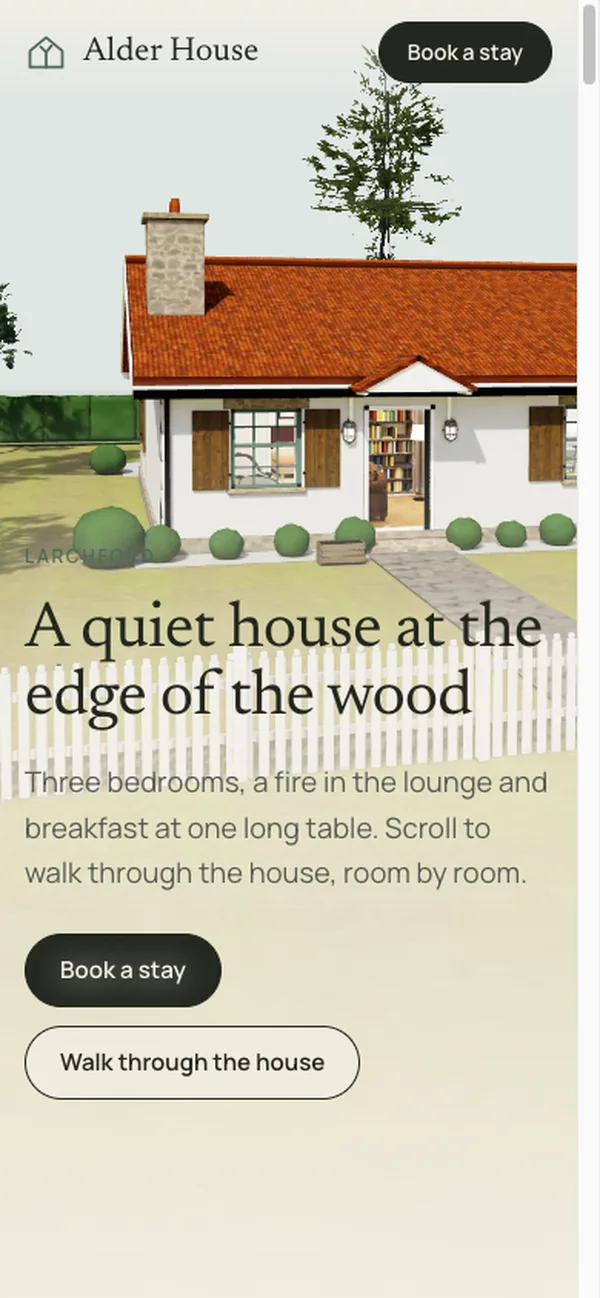
05 · Alder HouseDemo brand and data are fictional
B&Bs, guesthouses and holiday homes
Walk through the house before booking: a 3D tour that follows the scroll, room by room.
What it shows The house is built by a Python script in Blender and furnished with CC0 models and PBR textures; the light is baked into the textures, so the site draws it without lights and runs on phones. The roof lifts off, the camera eases into each room, and booking goes to the property's own channel.
What's inside
Run a cinema, a shop, a studio?
These are starting points, not finished products: I adapt them to your business, your brand and your data.
I start from the problem and the people who live it. Technology comes later.
I cut down to the smallest version worth using.
Flows, screens and details take shape in Figma first. Design is where the product starts to feel real.
Apps, APIs and internal tools grow together and speak the same language.
I release early, document what matters and stay on the product after launch.
AI in the loop
I worked on AI in research before it was everywhere. Today models and agents are part of how I ship: they take the repetitive work, I keep the decisions, the reviews and the responsibility.
Proof, right here
This site was built with Claude Code and its figure was generated in Google Flow. Every line and every image went through me.
Generated code is a draft until I've read it, tested it and understood it.
Clear specs, small steps and the right files: better input, better output.
I use AI where it saves real time, not to look modern.